
Self-Contained Air Conveying Systems use air to move materials. The air stays inside a closed unit. You can control vacuum and pressure modes. This helps you move many kinds of materials. These systems work well in many places. They are also reliable. You do not need extra parts because they are self-contained. If you want safe and easy material handling, learn how these systems work.
Tip: You can use these systems for powders, granules, or even heavier items.
Self-Contained Air Conveying Systems use air to move things safely. They work inside a closed unit. - These systems can handle powders, granules, and heavy items. Many industries use them, like food and pharmaceuticals. - It is important to clean and check the system often. This helps it work well and last longer. - Picking the right system means you must think about the material. You also need to think about how far it will move. It should fit with your other equipment. - Advanced airflow technology makes the system work better. It cuts down on dust and keeps your workspace safe.
Self-Contained Air Conveying Systems use air to move things inside a closed system. You do not need other machines because everything is in one unit. These systems use air to move powders, granules, or other items from one spot to another. You can use them in factories, warehouses, or anywhere you need to move things safely and fast.
Self-Contained Air Conveying Systems have a few main parts. Each part does something important. Here are the main parts:
Air source equipment: This part makes the air move your materials.
Feeding device: This device puts the material into the system so air can move it.
Material separation and dust collection device: This part takes the material out of the air and collects dust.
Conveying pipes: These pipes connect the parts and guide the material where it needs to go.
All the parts work together so your materials move easily and stay clean.
Note: Good dust collection keeps your workspace safe and helps protect your health.
You can use Self-Contained Air Conveying Systems in two ways: vacuum conveying and pressure conveying.
Vacuum conveying pulls air and materials through the pipes. The system makes a vacuum, or low-pressure area, at the end. Air rushes in and brings the material with it. You might use vacuum conveying if you want to keep dust inside or move things gently.
Pressure conveying pushes air and materials through the pipes. The system makes high pressure at the start. Air pushes the material forward. You might use pressure conveying if you need to move things far or move heavier items.
Both ways help you move materials safely and quickly. You can pick the way that works best for you.
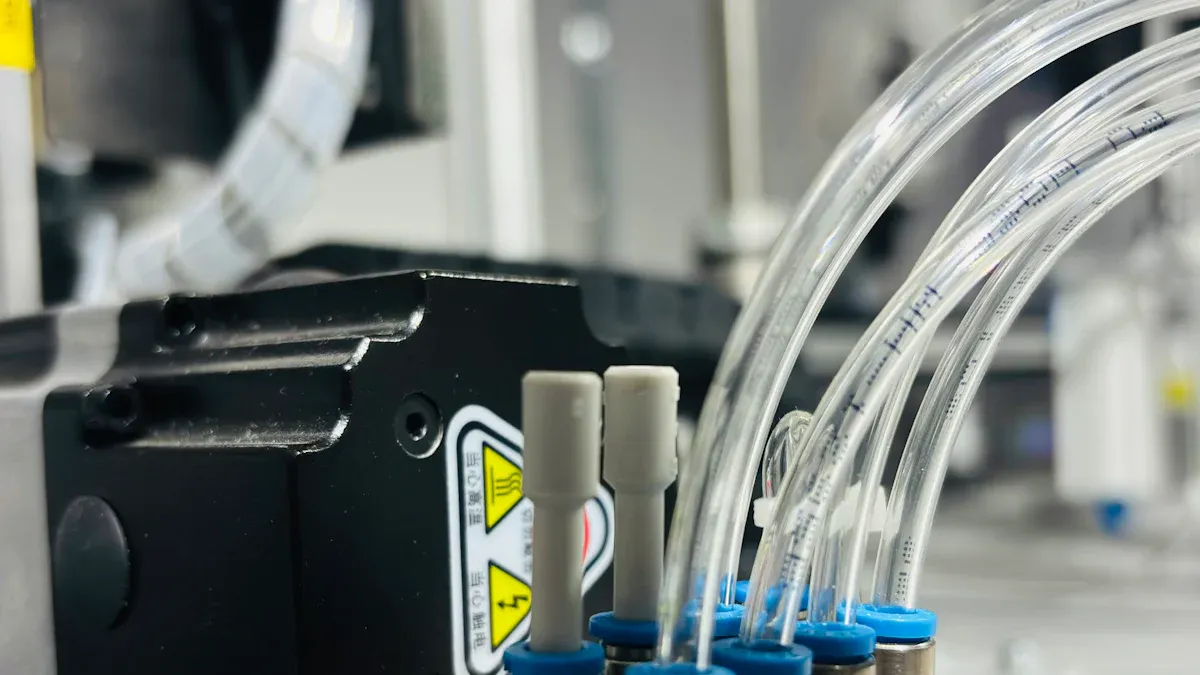
Image Source: unsplash
You can understand how Self-Contained Air Conveying Systems move things by looking at each step. The process starts when you put materials in and ends when they come out. Here is how the system works:
Material Intake
You put your materials in big storage bins, drying hoppers, or blenders. These containers hold powders, granules, or other items until the system is ready to move them.
Vacuum Source
The self-contained loader has its own motor to make a vacuum. This vacuum pulls air and materials into the system. You do not need extra machines because the loader does all the work.
Conveying Lines
Pipes or tubes carry the mix of air and materials from where it starts to where it needs to go. The system keeps the materials moving safely and smoothly.
Material Destination
The materials arrive at their destination, like processing machines such as injection molding machines or extruders. The system lets the materials out where you want them.
Tip: You can use these steps for many types of materials. The system helps keep your workspace clean and lets you work faster.
You get better results with advanced airflow technology. The system uses special designs to control how air moves. This technology helps you move materials without clogs or loss. You can change the airflow to fit different materials. The system keeps the air speed steady so your materials do not break or spill.
Some systems have sensors to check air pressure and flow. These sensors help you find problems early. You can fix issues before they stop your work. The technology also makes the system quieter and safer. You do not need to worry about dust or leaks.
Note: Advanced airflow technology lets you handle both light and heavy materials. You can trust the system to work well every day.
You want a system that works well every day. Self-Contained Air Conveying Systems give steady results and help you use less energy. These systems use smart airflow control to keep things moving without stopping or clogging. You can see how these systems are better than old ones in the table below:
| Feature | Benefit |
|---|---|
| Stable, controllable slug flow | Keeps your product safe by lowering particle hits. |
| Operates under negative pressure | Stops dust from getting out and lowers dust explosion risk. |
| Uses less conveying air | Helps you save energy and spend less money. |
| Reduced wear on equipment | Makes your machines last longer and need fewer repairs. |
| Self-adjusting airflow regulation | Keeps things running smooth and stops blockages. |
You also get a quieter place to work. These systems use tools like silencers and sound covers. You can work in a safer and nicer space.
You can move many kinds of materials with these systems. Dense phase pneumatic conveying lets you move both breakable and strong items. You do not have to worry about breaking soft products or hurting your machines. Here are some reasons why these systems work for lots of materials:
High-pressure, low-speed airflow moves things gently.
The system keeps products together so they do not break.
You can use it for food, pet food, minerals, and more.
The gentle movement helps keep your products in good shape.
You can trust the system to move powders, grains, or even rough minerals.
These systems are easy to set up and keep working. The self-contained design means you do not need extra machines. You spend less time fixing things because there are fewer moving parts. You can also change the system to fit your space. Routine checks are easy, and built-in sensors help you find problems early.
Tip: Clean your system often and check it quickly to help it last longer and work better.
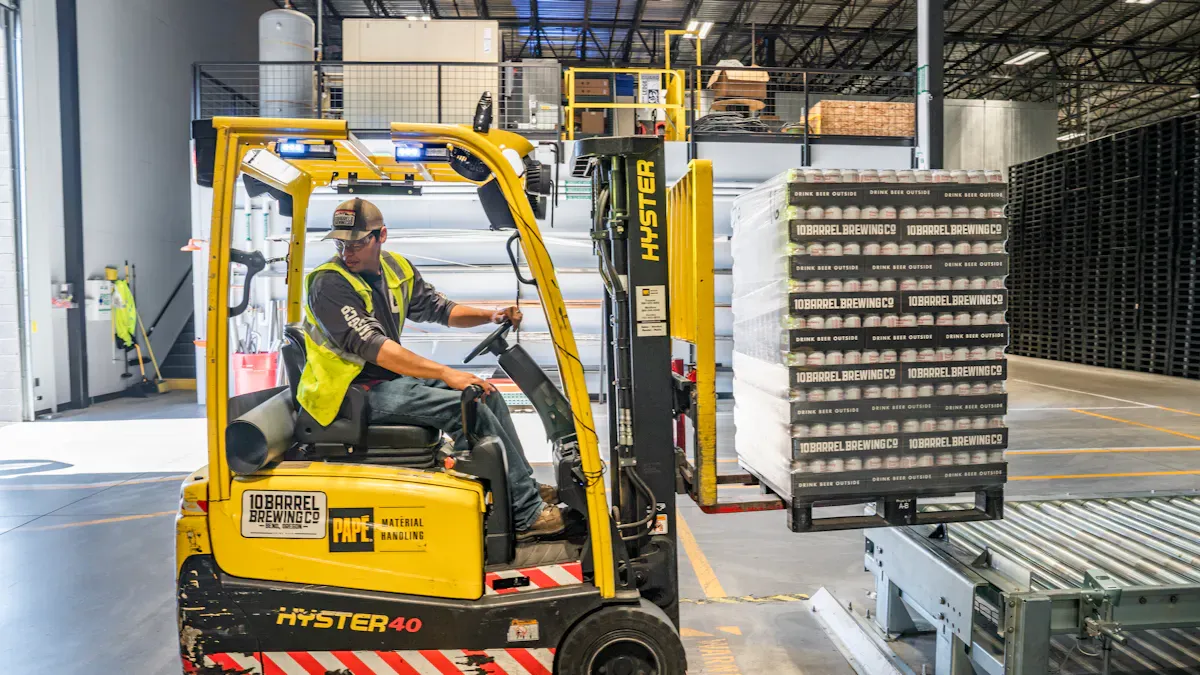
Image Source: pexels
You can use Self-Contained Air Conveying Systems in many fields. These systems help move things fast and safely. The table below shows where you might use these systems and what they move:
| Industry | Specific Applications |
|---|---|
| Food Industry | Moving flour, grain, milk powder, seeds, and sugar |
| Pharmaceutical Industry | Moving fine powders and granules in clean places |
| Chemical Industry | Moving chemicals like lime, soda ash, and silica |
| Mining and Minerals | Moving ores and minerals |
| Cement and Construction | Moving cement, fly ash, and building materials |
| Agriculture | Moving grains, feed, and farm products |
Factories and plants use these systems a lot. They help move powders, pellets, and chemicals. You can use them to fill machines or silos. They also help load trucks. These systems keep your work area clean and lower dust. They can handle hard jobs with heavy or rough things.
Tip: These systems help stop dust and make machines last longer.
Food and drug makers need clean ways to move things. These systems help keep food and medicine safe. In food plants, you can move flour, sugar, or milk powder without dust getting out. In drug factories, you can move fine powders in clean rooms. The system’s dust collector keeps your space safe and helps you follow rules. You also lower the chance of tiny bits getting in your products.
Drug companies use these systems to save money and make better products. Cleanroom filters and dust collectors help you work faster and make good items.
These systems move big amounts of grains, minerals, or cement. They work well in mining, farming, and building jobs. You can load or unload trucks, fill bins, or move things between buildings. The system works with both light and heavy things. You get steady flow and less mess.
Note: These systems help you save time and keep your place cleaner.
You need to pick a system that matches what you want to move. First, look at your materials. Think about their size, shape, weight, and how wet they are. Check how big the pipes are and how far you need to move things. This means looking at both sideways and up-and-down distances. You should know how much pressure you have and how fast the air needs to go. Also, think about how much stuff you want to move and how often you will do it.
Material properties: particle size, shape, bulk density, moisture content
Pipeline bore size
Conveying distance: horizontal and vertical
Available system pressure
Required air velocity
Transfer capacity and rate
You want your system to work with your other machines. Many self-contained air conveying systems have features that make them easy to connect and watch.
| Feature | Description |
|---|---|
| Automated air flow control | Keeps air flow steady for efficient operation |
| Integrated monitoring systems | Lets you track and adjust the system in real time |
| Customizable air flow settings | Gives you flexibility for different operational needs |
You need to take care of your system so it does not break. Doing regular checks helps you stop problems before they get big. This keeps your system working well and saves money. Look at the main things you need to check and how they can change your costs.
| Maintenance Need | Impact on Operational Costs |
|---|---|
| Maintain Air Quality | Stops contaminants, keeps compressor efficient |
| Monitor and Replace Consumables | Keeps compressor healthy, maintains air quality |
| Manage Moisture | Prevents corrosion, lowers repair costs |
| Test Safety and Control Systems | Ensures safe operation, avoids accidents |
| Maintain Cooling Systems | Prevents overheating, extends equipment life |
| Keep a Maintenance Log | Helps plan maintenance, reduces surprises |
| Follow the Owner's Manual | Prevents inefficiencies |
| Neglecting Regular Inspections | Leads to costly repairs |
| Ignoring Leak Repairs | Increases energy costs |
| Inadequate Lubrication | Causes early failure, raises repair costs |
| Not Draining Condensate | Causes rust, lowers efficiency |
| Using Worn-Out Components | Reduces efficiency, increases strain and costs |
| Overlooking Environmental Factors | Raises maintenance costs |
Tip: Make a schedule for checks and follow the manual. This will help you save money and keep your system running.
You want a system that does not cost too much and can grow with your business. Look for systems you can add to later if you need more. Pick ones that work with what you already have. Make sure the system can handle different things without big changes.
Consider future scalability when picking your system
Choose modular designs for easy expansion
Work with vendors who offer full support, including design and installation guidance
You save money if you plan for the future and pick a system that can change with you. A flexible system helps you avoid spending too much later and keeps your work going.
You want your self-contained air conveying system to work well and keep everyone safe. You should follow important setup rules. These rules help you get the best performance and avoid problems. The table below shows key guidelines and what they mean:
| Guideline | Description |
|---|---|
| Minimum Duct Velocity | Keep air moving at least 4,500 ft/min in branches and 3,500 ft/min in main pipes. |
| Entry Loss | Use 0.45 velocity pressure for tapered takeoff and 0.65 for straight takeoff. |
| General Requirements | Make sure harmful substances stay below safe limits. Follow all safety rules for installation. |
| Local Exhaust Ventilation | Stop dust, fumes, or gases from spreading in your work area. |
| Design and Operation | Keep air moving fast enough to carry harmful stuff to safe places. |
| Duration of Operations | Run exhaust systems as long as people are in the work area. |
| Disposal of Exhaust | Send exhaust outside. Only recirculate if it is safe. |
| Design Standards | Follow American National Standards. Use airflow and pressure data in your design. |
Tip: Always check your system after setup. Make sure all parts are tight and there are no leaks.
You need to check your system often to keep it running well. Clean dust collectors and filters so air can move freely. Look at pipes and connections for leaks or damage. Lubricate moving parts if your system has them. Write down what you check and fix in a logbook. This helps you spot problems early.
You should also test airflow and pressure. If you see a drop, check for blockages or leaks. Replace worn-out parts right away. A good routine keeps your system safe and helps it last longer.
Note: A clean and well-kept system saves you money and prevents downtime.
Sometimes, problems happen even if you take care of your system. You can fix most issues if you know what to look for. The table below lists common problems and how you can solve them:
| Issue | Description and Solution |
|---|---|
| Vacuum Leaks | Check for leaks at the pump, receivers, and pipes. Tighten all connections and seal any gaps. |
| Plugged Material Lines | Not enough air can cause plugs. Remove the line to clear it. Increase airflow to stop it from happening again. |
| Starved Vacuum Receivers | Overfilled chambers can block flow. Adjust loading times or use bigger receivers. |
| Four-Way Control Solenoid Failure | Dirt in air lines can cause this. Add a filter to keep lines clean. |
If you follow these steps, you can keep your system working well. You will also keep your workspace safe and clean.
Self-contained air conveying systems have many good points for moving materials. You get:
Flexible routing that works in tricky spaces
Reliable operation because there are not many moving parts
Hygienic design that follows safety rules
These systems help you move things safely and quickly. You can use them in lots of different jobs. If you want to make your work better, learn more or ask an expert about which system is best for you.
You can move powders, granules, pellets, grains, and even heavier items. These systems work well for food, chemicals, minerals, and plastics.
You should clean dust collectors and filters often. Check pipes for blockages. Write down your cleaning schedule in a logbook. This keeps your system safe and working well.
Yes, you can. Self-contained air conveying systems have flexible pipes. You can fit them into tight or tricky spaces in your building.
Check for leaks in pipes.
Look for blockages.
Make sure all parts are tight.
Read the manual for more help.
| System Feature | Benefit |
|---|---|
| Dust collection | Keeps products clean |
| Sealed design | Stops contamination |
| Easy cleaning | Meets safety rules |
You can trust these systems for food and medicine if you follow cleaning steps.


