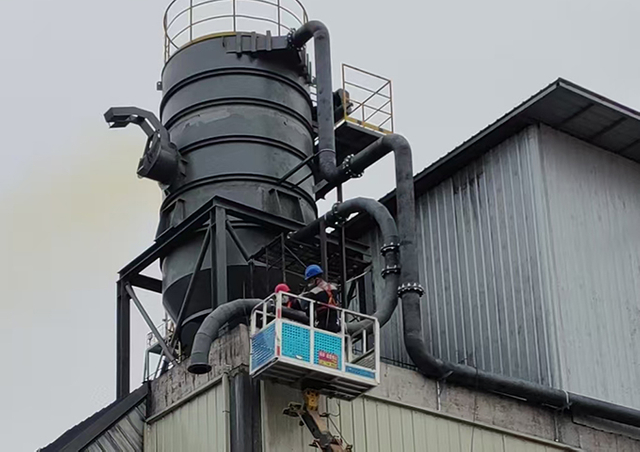
Upgrading or designing a bulk material handling system forces a major engineering choice between mechanical and air-driven transport methods. Selecting the wrong conveying system leads to excessive energy consumption, frequent maintenance downtime, catastrophic material degradation, blend segregation, or facility layout bottlenecks. Plant managers and process engineers cannot rely on guesswork when moving thousands of tons of material annually.
Resolving the pneumatic conveyor vs bucket elevator debate requires moving beyond basic definitions to evaluate material characteristics, facility constraints, and long-term operational efficiency. Every bulk solid behaves differently under pressure, velocity, and mechanical agitation. A system that works flawlessly for fine wheat flour will fail catastrophically when handling abrasive silica sand or fragile roasted coffee beans. We will break down the mechanical realities, layout constraints, and material handling capabilities of both systems to ensure optimal specification for your facility.
Energy vs. Flexibility Trade-off: Bucket elevators offer significantly higher energy efficiency (lower horsepower requirements), while pneumatic systems provide unmatched routing flexibility through complex facility layouts.
Contamination and Hygiene: Enclosed pneumatic conveyors drastically reduce dust emissions and cross-contamination risks, making them the standard for food-grade and pharmaceutical applications.
Material Integrity and Blending: Bucket elevators are generally superior for handling highly friable (fragile) or highly abrasive materials and maintaining pre-mixed blends, whereas pneumatic systems excel with fine, homogenous powders and dust.
Throughput Scaling: Bucket elevators are the undisputed choice for massive, high-tonnage vertical lifts (e.g., grain silos, mining), whereas pneumatic systems face practical pressure and pipe-diameter limitations at extreme capacities.
Maintenance Profiles: Mechanical elevators require ongoing physical component maintenance (belts, chains, buckets), while pneumatic systems shift the maintenance burden to air filtration, blowers, and rotary valves.
Table of Contents
Pneumatic conveying utilizes a gas—almost exclusively ambient air or inert nitrogen—to transport bulk solid materials through enclosed pipelines. The system operates by creating a pressure differential along the pipeline, forcing the gas and the entrained bulk material to move from the high-pressure feed point to the lower-pressure discharge destination. You will typically see these systems deployed where dust containment and complex routing are primary project requirements.
Engineers categorize these systems into two primary flow regimes based on air velocity and material concentration. Dilute phase conveying operates at high velocities, keeping the material particles fully suspended in the air stream. This method utilizes low pressure and is highly effective for non-abrasive, lightweight powders. Dense phase conveying operates at low velocities and high pressures, pushing the material through the pipeline in distinct pulses, slugs, or a continuous moving bed. Dense phase is specifically designed to handle fragile, highly abrasive, or heavy materials by minimizing particle velocity and pipeline friction.
The architecture of a pneumatic system relies on several major components working in unison. Positive displacement blowers or air compressors generate the necessary airflow and pressure. Rotary airlock valves or pressure vessels introduce the bulk material into the pressurized conveying line without allowing air to escape backward. The conveying line itself consists of straight piping and specialized elbows designed to manage wear. Finally, the discharge end requires a filter receiver or dust collection system to separate the conveyed material from the transport air, allowing the clean air to vent while the material drops into the receiving vessel.
Bucket elevators provide direct mechanical conveying, utilizing a continuous series of buckets attached to a rotating belt or steel chain to lift bulk materials vertically. The mechanism relies on physical scooping and lifting rather than fluid dynamics, making it a highly predictable and mechanically efficient method for vertical transport. When you walk through an agricultural terminal or a cement plant, the towering vertical structures you see are almost always bucket elevators.
System designers select between two primary discharge methods based on the material's characteristics. Centrifugal discharge elevators operate at high speeds. As the buckets pass over the top head pulley, the centrifugal force throws the material out of the bucket and into the discharge chute. This method is ideal for durable, free-flowing materials like grain, sand, or agricultural pellets. Continuous discharge elevators operate at much slower speeds. The buckets are spaced closely together, and as they pass over the head pulley, the back of the preceding bucket acts as a gentle discharge chute for the material pouring from the bucket behind it. This slow, gentle handling prevents impact damage, making it the standard choice for fragile snacks, friable chemicals, or sluggish materials.
The mechanical architecture of a bucket elevator includes a heavy-duty drive assembly connected to the head pulley at the top of the unit. A boot pulley at the base provides tensioning and serves as the intake zone. The entire vertical run is enclosed in a steel casing to contain dust and protect moving parts. The internal traction mechanism consists of either specialized rubber belting or heavy-duty steel chains, onto which the individual steel or polymer buckets are securely bolted.
Before commissioning a new mechanical lift, field engineers execute a strict startup sequence to ensure safe operation:
Verify head pulley lagging is intact and provides adequate friction.
Confirm the boot take-up frame moves freely to maintain proper belt tension.
Test zero-speed switches to ensure the motor cuts out if the belt slips.
Calibrate rub blocks and alignment sensors along the vertical casing.
Run the system empty for several hours to track the belt dead-center before introducing material.
The spatial constraints of a facility often dictate the initial direction of a material handling project. Bucket elevators operate under strict geometric limitations. They are rigid, linear, and strictly vertical or steeply inclined machines. Installing a bucket elevator requires a clear, unobstructed vertical path from the intake point to the discharge point. If the material needs to move horizontally before going up, or if it needs to bypass existing structural steel, silos, or process equipment, a bucket elevator cannot accomplish this alone. It requires auxiliary equipment, such as horizontal drag conveyors or screw conveyors, to feed the boot or carry material away from the head discharge. This increases the overall equipment footprint and introduces multiple transfer points.
Pneumatic pipelines offer unparalleled spatial advantages. A single pneumatic conveying line can navigate complex facility layouts with ease. The piping can run horizontally across rooftops, drop vertically through narrow floor penetrations, navigate around existing tanks via sweeping elbows, and span long distances between separate buildings. This flexibility allows engineers to place the noisy blower packages and material feed stations in remote, easily accessible ground-floor locations, while routing the delivery pipe directly to mixers or silos located high up in the facility structure. The physical footprint of a 4-inch conveying pipe is negligible compared to the massive steel casing of a mechanical elevator.
Energy consumption reveals the starkest contrast between mechanical and air-driven transport. Bucket elevators are inherently energy-efficient because they rely on direct mechanical leverage and gravity. The motor only needs to provide enough torque to overcome the dead weight of the material being lifted, plus the friction of the bearings and the belt. Moving 100 tons of material per hour vertically might only require a 15 to 20 horsepower motor. The energy cost per ton of material moved remains exceptionally low.
Pneumatic conveyors require significantly more energy to achieve the same throughput. Generating the massive air volumes and pressures necessary to keep bulk solids suspended in a pipeline is thermodynamically inefficient. The air itself must be moved, compressed, and pushed through the system, overcoming immense friction against the pipe walls. Moving that same 100 tons per hour pneumatically could easily demand a 100 to 150 horsepower blower package. Facilities operating in regions with high electricity rates must carefully evaluate this constant energy draw.
Environmental noise impact also differs drastically. Bucket elevators operate quietly, with the primary noise coming from the low-speed drive motor and the muffled sound of material entering the buckets. Pneumatic systems generate high decibel levels. Positive displacement blowers create intense, pulsating noise that frequently exceeds 85 dBA, requiring heavy acoustic enclosures, intake silencers, and discharge silencers to protect worker hearing and comply with occupational safety regulations.
Heavy industries such as agriculture, mining, and aggregate processing demand massive throughput capacities. Bucket elevators excel in these environments. They are the undisputed choice for high-tonnage vertical lifts. Scaling a bucket elevator to handle thousands of tons per hour simply requires widening the belt, increasing the bucket size, and upgrading the drive motor and structural casing. The physics of mechanical lifting scale linearly and predictably.
Pneumatic systems face severe practical limitations when scaling to extreme capacities. Increasing throughput requires pushing more material through the pipe, which demands exponentially higher air volumes and pressures. To prevent the line from plugging, the pipe diameter must increase significantly. Moving thousands of tons per hour pneumatically would require massive, impractical pipe diameters, colossal blower packages, and prohibitive energy costs. While pneumatic systems handle low to moderate capacities flawlessly, they hit a hard engineering ceiling when tasked with the extreme tonnages common in port terminals or primary grain silos.
The physical properties of the bulk solid dictate how it will survive the conveying process. Friability, or the tendency of a material to break apart, is a major concern. High-velocity dilute phase pneumatic transport subjects particles to violent impacts against pipe walls and elbows. Fragile materials like roasted coffee beans, extruded pet food, or delicate chemical flakes will shatter, generating unacceptable levels of dust and degrading product quality. Continuous bucket elevators handle these materials gently, scooping them up and pouring them out with minimal friction or impact.
Abrasiveness destroys conveying equipment. Materials like silica sand, fly ash, or alumina act like sandpaper. In a pneumatic system, abrasive particles traveling at 4,000 feet per minute will quickly erode steel pipe elbows, causing blowouts and system failure. While dense phase pneumatic systems mitigate this by slowing the velocity, bucket elevators handle abrasives easily. By utilizing hardened steel or thick polymer buckets and operating at low speeds, mechanical elevators isolate the wear to easily replaceable components.
Blend integrity is a major factor in food and chemical processing. If a facility mixes heavy salt, light flour, and medium-density spices, the blend must remain homogenous. Pneumatic air streams actively fluidize the material, causing particles of varying densities and sizes to separate during transport—a process known as elutriation. Bucket elevators transport materials in discrete, stationary batches within each bucket, preserving the exact mix ratio from the intake boot to the discharge chute.
Temperature and moisture sensitivity also play a role. Pneumatic systems introduce massive volumes of ambient air into the material stream. If the ambient air is humid and the material is hygroscopic (absorbs moisture), the material will clump and plug the pipeline. This requires installing expensive air chillers and desiccant dryers. Bucket elevators operate passively, exposing the material only to the static air within the casing, eliminating the need for complex air conditioning auxiliary equipment.
Material Suitability Matrix
Material Characteristic | Pneumatic Conveying Suitability | Bucket Elevator Suitability |
|---|---|---|
Fine Powders (Flour, Cement) | Excellent (Fluidizes easily) | Poor (Dusting and bucket adhesion) |
Highly Abrasive (Sand, Ash) | Poor (Severe pipe wear) | Excellent (Low speed, durable buckets) |
Fragile/Friable (Coffee, Flakes) | Poor (Particle shattering) | Excellent (Gentle continuous discharge) |
Pre-Mixed Blends (Spices, Mixes) | Poor (Causes segregation) | Excellent (Maintains batch integrity) |
Hygroscopic (Sugar, Salt) | Moderate (Requires dry air supply) | Excellent (Passive ambient exposure) |
Food processing, dairy, and pharmaceutical facilities enforce strict sanitation protocols. Pneumatic systems offer superior hygiene because they are entirely enclosed. The pipeline prevents any ambient dust or contaminants from entering the product stream, and it prevents hazardous or allergenic product dust from escaping into the facility. Furthermore, pneumatic lines can be engineered for Clean-In-Place (CIP) operations, allowing operators to flush the pipes with water and sanitizing chemicals without dismantling the system.
Bucket elevators present significant sanitation challenges. The internal casing contains numerous ledges, crevices, and dead zones—particularly in the bottom boot section—where material stagnates and degrades. Cleaning a bucket elevator requires shutting down the system, opening access doors, and manually vacuuming or washing hundreds of individual buckets and the entire vertical belt run. This process is labor-intensive and dramatically increases downtime during product changeovers.
Regulatory compliance regarding combustible dust heavily influences system selection. Enclosed pneumatic systems can operate using inert nitrogen gas, completely eliminating the oxygen required for an explosion. Bucket elevators, due to their large internal volume and mechanical friction points, represent a known explosion risk when handling combustible dusts like sugar, flour, or coal. Securing a bucket elevator requires installing extensive explosion venting panels, spark detection sensors, and chemical suppression systems, adding significant complexity to the installation.
Pneumatic pipelines operate on a delicate balance of air velocity and material feed rates. The most frequent failure mode is line plugging. If the rotary airlock feeds material into the line faster than the blower can clear it, the material drops out of suspension and blocks the pipe. Moisture ingress from poorly conditioned air also causes powders to cake and bridge inside the line. When a line plugs, operators must physically dismantle pipe sections to clear the blockage, resulting in hours of lost production.
Filter blinding at the discharge receiver is another major failure point. If the filter bags become saturated with fine dust, the system cannot vent the conveying air. This causes backpressure to spike, reducing conveying capacity and eventually stalling the blower. Rotary valves also suffer from abrasive wear; as the rotor clearances widen, high-pressure air leaks backward into the feed hopper, preventing material from dropping into the line.
Engineers mitigate these risks by installing inline pressure transmitters that automatically throttle the rotary valve feed rate if line pressure spikes. Specifying appropriate air drying equipment prevents moisture-related plugging, and utilizing hardened, abrasion-resistant coatings on rotary valve internals extends their operational lifespan.
Mechanical elevators fail due to physical component stress. Belt snapping is a catastrophic failure mode caused by overloading the boot section or allowing material to build up and jam the tail pulley. Chain-driven elevators suffer from chain elongation over time, which causes the buckets to strike the casing or jump the drive sprockets. Replacing a snapped belt inside a 100-foot vertical casing is a massive maintenance undertaking that requires specialized rigging equipment.
Material buildup in the boot section is a persistent issue. If the discharge chute backs up, or if the buckets fail to empty completely at the head pulley, material falls back down the casing. This "backlegging" buries the boot pulley, causing the belt to slip and burn against the drive drum, creating a severe fire hazard.
To mitigate these mechanical risks, modern elevators require an array of safety sensors. Zero-speed switches monitor the tail pulley shaft to detect belt slip instantly. Belt alignment sensors detect if the belt is tracking off-center and rubbing against the steel casing. Bearing temperature monitors alert operators to overheating before a mechanical seizure or fire occurs.
Field Troubleshooting Guide
Symptom | Likely Cause (Pneumatic) | Likely Cause (Bucket Elevator) |
|---|---|---|
Sudden Drop in Throughput | Blinded filter bags or worn rotary valve clearances. | Slipping drive belt or severe backlegging in the boot. |
Excessive Noise/Vibration | Blower bearing failure or loose pipe supports. | Buckets striking the casing or misaligned drive chain. |
Material Degradation | Air velocity set too high for the specific material. | Centrifugal discharge speed too fast for fragile product. |
System Stalling | Line plugged due to moisture or overfeeding. | Boot section buried in material causing motor overload. |
Specify a pneumatic conveying system when your process aligns with specific operational realities. The material must be a fine powder, dust, or lightweight granule that fluidizes easily, such as wheat flour, cement, plastic pellets, or pharmaceutical powders. The application must demand strict sanitation, zero-contamination, or completely dust-tight operation to protect the facility environment. Finally, the facility layout must require complex routing, demanding the material navigate around existing infrastructure, travel long horizontal distances, or distribute to multiple distinct discharge points from a single feed source.
Specify a bucket elevator when mechanical efficiency and material preservation are the primary engineering directives. The material is highly abrasive, exceptionally heavy, extremely fragile, or consists of a precise blend of varying densities that cannot be allowed to segregate. The conveying path must be strictly vertical, and the facility must have the structural capacity to support the casing. Most importantly, the process requires massive throughput capacities where minimizing electrical energy consumption and long-term operating costs is mandatory.
System Comparison Matrix
Evaluation Parameter | Pneumatic Conveying | Bucket Elevator |
|---|---|---|
Energy Efficiency | Low (High horsepower blowers) | High (Low horsepower motors) |
Routing Flexibility | Excellent (Horizontal, vertical, bends) | Poor (Strictly linear and vertical) |
Material Degradation | High risk (Dilute phase impact) | Low risk (Gentle lifting) |
Blend Segregation | High risk (Air fluidization) | Zero risk (Batch containment) |
Dust Containment | Excellent (Fully enclosed pipeline) | Moderate (Requires active venting) |
Sanitation & CIP | High (Easy to flush and clean) | Low (Labor-intensive manual cleaning) |
Throughput Scalability | Limited by pipe diameter and pressure | Virtually unlimited (Heavy industry standard) |
There is no universal superior choice in bulk material handling; the decision hinges on a strict matrix of material properties, throughput demands, facility layout, and energy constraints. Default to bucket elevators for high-capacity, vertical lifts of rugged, blended, or fragile materials where energy efficiency is paramount. Default to pneumatic systems for complex routing, fine powders, and applications demanding strict hygiene and dust control.Leveraging decades of engineering innovation and technical mastery, Jstark delivers cutting-edge pneumatic conveying solutions engineered to solve complex material handling challenges and elevate industrial productivity worldwide.
To finalize your system specification, execute the following steps:
Ship a 500-pound material sample to a testing facility to validate flowability, degradation rates, and segregation risks under actual conveying conditions.
Map your facility's structural layout to determine if a straight vertical path is feasible or if flexible pipeline routing is required to bypass existing equipment.
Calculate the electrical load requirements for both systems based on your local utility rates to understand the long-term energy demands.
Audit your local combustible dust regulations to ensure the chosen system can achieve compliance without requiring massive structural modifications.
A: A bucket elevator is significantly more energy-efficient. It utilizes direct mechanical leverage and gravity to lift materials, requiring relatively small motors. Pneumatic systems require massive positive displacement blowers to generate the air volume and pressure needed to suspend and push materials through a pipeline, resulting in much higher horsepower requirements and constant electrical draw.
A: Yes, provided the bulk material is suitable for air transport and the required throughput does not exceed practical pipe and blower limits. The facility must be willing to absorb increased energy costs in exchange for the benefits of routing flexibility, enclosed dust control, and improved hygiene. Abrasive or highly fragile materials generally prevent this replacement.
A: Bucket elevators are superior for both. Continuous discharge elevators gently scoop and pour fragile materials without impact damage. Because buckets transport material in discrete, stationary batches, they completely prevent the segregation of blended materials. Pneumatic systems fluidize blends, causing heavy and light particles to separate during transport.
A: Maintenance profiles differ entirely. Bucket elevators require ongoing physical maintenance of mechanical wear parts, including belt tensioning, chain lubrication, bearing replacement, and bucket alignment. Pneumatic systems have fewer moving parts in the material stream, shifting the maintenance burden to servicing blower oil, replacing filter receiver bags, and machining worn rotary airlock valves.
A: Pneumatic systems are generally safer and easier to secure. Their enclosed pipelines contain dust perfectly, and they can be operated using inert nitrogen gas to eliminate explosion risks entirely. Bucket elevators have large internal volumes full of suspended dust and mechanical friction points, requiring expensive explosion venting panels and chemical suppression systems to meet safety standards.